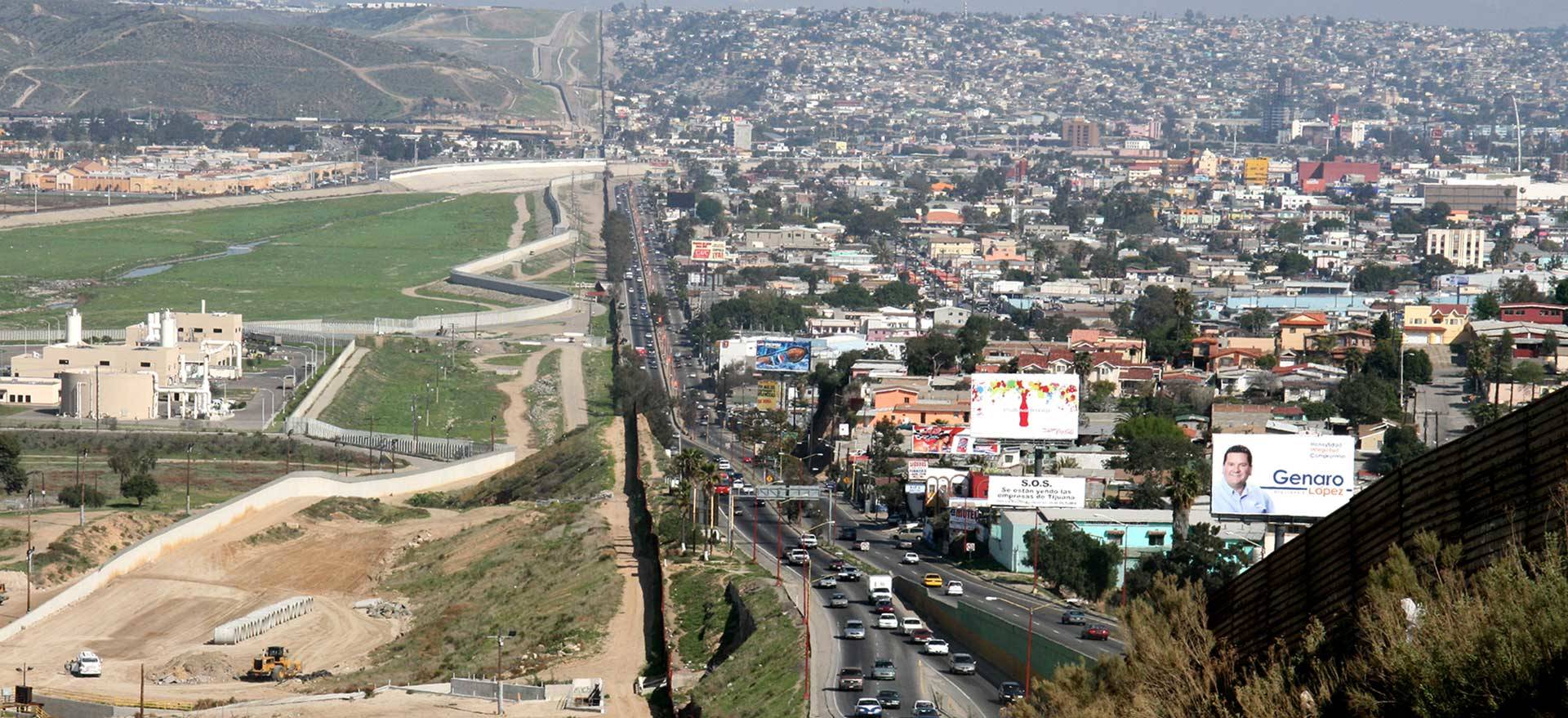
Nowadays, increasing numbers of Mexicans flow to American through the border to seek for higher salaries and better lives. To prevent this flow of illegal immigration from happening, wall is built on the border. Charles Bowden, a New Mexican journalist and essayist, analyzes the situation of the border in Naco, Mexico by interviewing local people and argues to his audience, who might be governmental people and others who concern about the illegal immigration problem, that the border wall fails to achieve its purpose and does not solve the problem. He maintains an informative tone and employs appeal to ethos to support his argument.
Bowden establishes his authority to persuade his audience by drawing connection between famous historical examples and interviewing the local people’s opinions. Firstly, Bowden discusses several famous historical walls that keep people out, such as The Great Wall of China, Hadrian’s Wall in Scotland, the short Maginot Line in France, and the rabbit fences in Australia. One thing they all share in common is that they eventually fail to achieve their purpose: they are all overrun. Bowden defines the wall in border of Naco “one compact bundle” of “all the walls of the world” and presents the fact that this wall, like famous historical walls, has the same purpose but fails to achieve the purpose, to keep numerous Mexicans from entering United States illegally. Instead of only discussing the futility of the border wall, drawing connections to these famous historical examples lead audience to visualize and compare the similar traits in these different walls and derive the conclusion by themselves that the border wall does not achieve its purpose. Most importantly, Bowden argues his opinion based on the interview of the local people, include Rodolfo Santos Esquer, the author of a weekly newspaper in Naco, and Dan Duley, an American resident in Naco area. He uses the third person view, view of Esquer, to point out that the wall “hasn’t changed his life or the lives of most people in town”, that “coyotes, [“people who smuggle immigrants across the border for a fee”], raise their rates”, that “after the wall went up in 1996, the migration mushroomed”, and “people just climb over it with ropes”. Duley is against the illegal immigration of Mexicans; however, he emphasizes that “the real solution has to be economic”, which implies that the wall simply does not solve this problem. The interview of local residents fully support Bowden’s argument that the wall has no use of keeping illegal Mexican immigrants from entering America. By putting the opinions and experiences of local residents in both Mexico and America instead of drawing his own opinions about the wall, Bowden creates an objective tone, effectively convinces his audience that his information is trustworthy, and persuades his audience to believe that the border wall is useless.
I totally believe Bowden’s point. Things never happen without a reason. Why in the world would so many Mexicans move into United States, being away from their home and families? Do they not like their families and their home? In Bowden’s essay, he points out a fact that Mexicans who go through the border can raise the income tenfold. Imagine if American’s average salaries is ten times lower than Mexican’s, wouldn’t many Americans attempt to migrate to Mexico too? In fact, the real problem is really the big difference between the rich and the poor. Even though this is a wall that can totally block all Mexicans from crossing the border, they still live in harsh lives. I hope more and more people can help to support Mexican economics in the border to change the local people’s living qualities, and no more illegal immigrants will migrate to United States.

 Simon's Thoughts